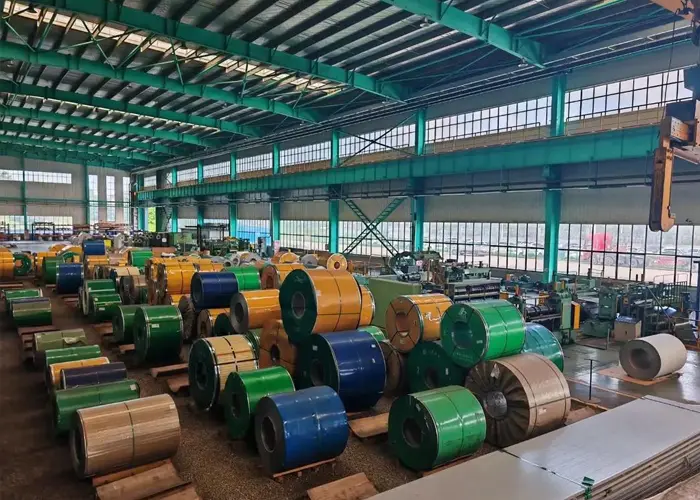
In the global shipbuilding industry, where safety, durability, and performance are non-negotiable, shipbuilding steel plates stand as the backbone of every vessel—from small inland ships to large ocean-going container ships, offshore platforms, and polar exploration vessels. As the global shipping industry rebounds and new ship orders surge (with a year-on-year growth of 18% in 2025 globally), the demand for high-quality shipbuilding steel plates continues to climb, especially for high-strength and low-temperature resistant grades. This comprehensive guide dives into everything you need to know about shipbuilding steel plates, including their key types, essential properties, wide-ranging applications, and expert tips to choose the right supplier—optimized to help shipbuilding manufacturers, procurement teams, and industry professionals find reliable solutions efficiently.
What Are Shipbuilding Steel Plates?
Shipbuilding steel plates are specialized carbon and alloy steel products engineered explicitly for marine and offshore structures. Unlike ordinary structural steel, they must withstand extreme marine conditions: constant seawater corrosion, drastic temperature changes, wave impacts, heavy cargo loads, and even brittle fracture risks in cold or polar waters. Manufactured through strict processes—including clean smelting, TMCP controlled rolling and cooling, and precision heat treatment—these plates meet rigorous international standards and classification society certifications to ensure the structural integrity and longevity of vessels (typically 25-40 years of service life). Accounting for 20-30% of total shipbuilding costs, the quality of shipbuilding steel plates directly determines a vessel’s safety, operational efficiency, and maintenance costs.
Key Types of Shipbuilding Steel Plates (By Grade & Application)
Shipbuilding steel plates are classified by strength level, quality grade, and application scenario, with standardized grades recognized globally. Below are the most common types, aligned with international specifications (ASTM, EN, ISO) and classification society (CCS, ABS, DNV GL, LR) requirements:
1. Normal-Strength Shipbuilding Steel Plates
With a minimum yield strength of 235MPa, normal-strength plates are ideal for non-critical ship structures such as general hull components, bulkheads, and deck auxiliary parts. Common grades include ASTM A131 Grade B, CCS Grade A/B, and EN 10248 Grade A/B. These plates offer excellent weldability and formability at a cost-effective price point, making them widely used in small to medium-sized inland and coastal ships.
2. High-Strength Shipbuilding Steel Plates (AH32/AH36, DH32/DH36, EH36/EH40)
High-strength shipbuilding steel plates are the most in-demand type in 2026, accounting for over 40% of the global market share (projected to reach 41% this year). They are categorized into three strength levels (315MPa, 355MPa, 390MPa) and multiple quality grades based on low-temperature impact resistance:
-
AH Series (AH32, AH36): Suitable for warm and temperate marine environments, with impact testing at 0°C. Ideal for hulls, decks, and cargo holds of bulk carriers and container ships.
-
DH Series (DH32, DH36): Designed for cold marine areas, with impact testing at -20°C. Offers enhanced toughness to resist brittle fracture, used in offshore supply vessels and cold-water cargo ships.
-
EH Series (EH36, EH40): For polar or extremely cold waters, with impact testing at -40°C. Features superior low-temperature toughness and corrosion resistance, widely used in polar exploration ships, LNG carriers, and offshore platforms.
Notably, grades like CCSEH36 (CCS-certified) are highly sought after for their excellent welding performance and adaptability to complex ship structures, supported by strict compliance with GB712-2011 standards.
3. Special-Purpose Shipbuilding Steel Plates
For high-value and specialized vessels, special-purpose shipbuilding steel plates are engineered to meet unique requirements:
-
Thick Shipbuilding Steel Plates (80mm-150mm): Used in the main hulls and keels of large ships (e.g., 17.4万立方米 LNG carriers, which require ~28,000 tons of special steel plates) and offshore platforms. Companies like Jiangsu Haizhong Steel specialize in precision cutting of 120mm-thick EH36 plates with flaw detection guarantees.
-
Corrosion-Resistant Shipbuilding Steel Plates: Treated with anti-corrosion coatings or alloy additions (e.g., copper, chromium) to resist seawater and marine atmospheric corrosion, reducing maintenance costs. These plates achieve a corrosion rate of ≤0.1mm/year, extending vessel service life.
-
Green Low-Carbon Shipbuilding Steel Plates: Driven by EU CBAM policies and IMO 2030/2050 emission targets, these plates are produced via electric furnace short-process technology with carbon emissions below 1 ton CO₂/ton steel. They are rapidly gaining traction in global shipbuilding, with projections to account for 25% of total production by 2030.
Essential Properties of High-Quality Shipbuilding Steel Plates
To perform reliably in harsh marine environments, shipbuilding steel plates must possess four core properties—non-negotiable for meeting international standards and classification society certifications:
1. Superior Toughness & Strength
High tensile strength (400-830MPa) and yield strength (235-690MPa) ensure the plates can withstand heavy loads, wave impacts, and cargo pressure without deformation or fracture. Excellent low-temperature toughness (impact energy ≥27J at -40°C for EH grades) prevents brittle failure in cold waters—a critical safety requirement for polar and cold-region vessels.
2. Excellent Weldability
Ship hulls are assembled by welding thousands of steel plates, so weldability is paramount. High-quality shipbuilding steel plates have controlled carbon equivalent (CE ≤0.41%) and welding crack sensitivity index (Pcm ≤0.21%), ensuring strong, defect-free welds that maintain structural integrity. This property reduces fabrication time and costs for shipyards.
3. Strong Corrosion Resistance
Seawater, salt spray, and marine microorganisms pose severe corrosion risks. Shipbuilding steel plates are treated with hot-dip galvanizing, spray painting, or alloying to resist corrosion, extending the vessel’s service life and reducing maintenance frequency. Advanced grades can withstand long-term immersion in seawater without significant degradation.
4. Good Formability & Machinability
Ship structures have complex shapes (e.g., curved hulls, irregular bulkheads), so shipbuilding steel plates must be easy to cut, bend, and shape without cracking. Precision cutting (via CNC, plasma, or laser) is supported by modern plates, with companies offering customized cutting services to reduce material waste and improve fabrication efficiency.
Applications of Shipbuilding Steel Plates
Shipbuilding steel plates are versatile and used in all types of marine and offshore structures. Their applications include:
-
Ship Hulls: The main structure of the vessel, including bottom plates, side shell plates, and keels—requiring high-strength and corrosion-resistant plates (e.g., AH36, EH36) to withstand water pressure and wave impacts.
-
Decks & Cargo Holds: Support cargo, equipment, and personnel, demanding high strength and wear resistance. Normal-strength plates (ASTM A131 Grade B) are used for auxiliary decks, while high-strength plates (DH36, EH40) are used for cargo holds of large ships.
-
Offshore Structures: Offshore drilling platforms, wind turbine foundations, and coastal defense projects—requiring thick, high-strength, and corrosion-resistant plates (e.g., EH36, FH40) to withstand harsh offshore conditions


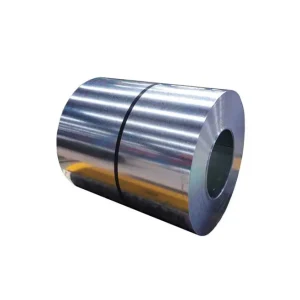 แผ่นเหล็กชุบสังกะสี (GI Coil)แผ่นเหล็กชุบสังกะสี (GI Coil)
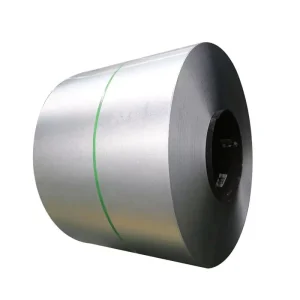 แผ่นเหล็กกัลวาลูม (GL Coil)แผ่นเหล็กกัลวาลูม (GL Coil)
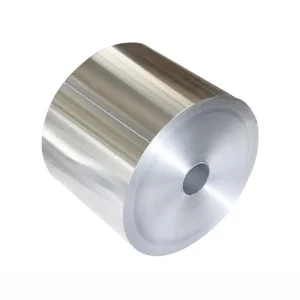 แผ่นเหล็กสังกะสี-อุลมิเนียม-แมกนีเซียม (รวบรัด: ZM Coil)แผ่นเหล็กสังกะสี-อุลมิเนียม-แมกนีเซียม (รวบรัด: ZM Coil)
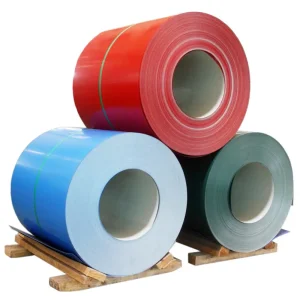 แผ่นเหล็กสังกะสีผ่านการทาสี (PPGI Coil)แผ่นเหล็กสังกะสีผ่านการทาสี (PPGI Coil)
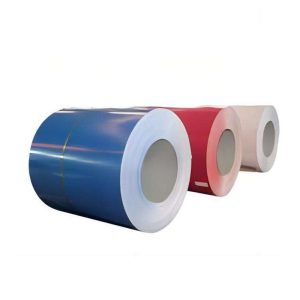 แผ่นเหล็กกัลวาลูมผ่านการทาสี (PPGL Coil)แผ่นเหล็กกัลวาลูมผ่านการทาสี (PPGL Coil)
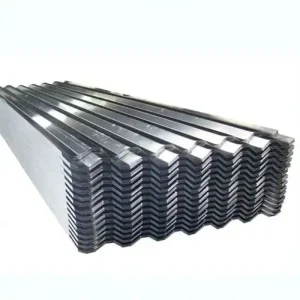 แผ่นหลังคา GI/GLวัสดุฐาน เลือกวัสดุเหล็กคุณภาพสูง รุ่น SPCC/SPHC; GI ผ่ […]
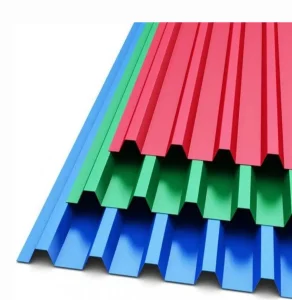 แผ่นหลังคา PPGI / PPGLวัสดุฐาน เลือกวัสดุเหล็กคุณภาพสูง รุ่น SPCC/SPHC; GI ผ่ […]