In the era of green building and industrial upgrading, color coated galvalume steel coil (PPGL) is no longer just a common building material—it has become a core component integrating environmental protection, efficiency, and aesthetics, penetrating into every link of construction, manufacturing, and even daily life. Different from the traditional introduction focusing on basic concepts and applications, this article will interpret PPGL from four unique perspectives: material composition details, industry application depth, common purchasing misunderstandings, and future development trends, helping you gain a more comprehensive and in-depth understanding of this high-performance composite material.

Perspective 1: Material Composition Decryption – What Makes PPGL “Durable and Reliable”?
Many people only know that PPGL has excellent corrosion resistance, but few understand the internal logic of its material composition that supports this advantage. PPGL’s core competitiveness lies in its “three-layer structure design”, each layer undertaking a unique protective and functional role, forming a “triple barrier” against external damage.
-
Base Steel Layer (Foundation): The substrate of PPGL is high-quality cold-rolled steel sheet, which determines the overall strength and load-bearing capacity of the product. The commonly used base steel grades include SGCC, DX51D, and SPCC, among which DX51D is the most widely used in the construction field due to its good ductility and formability. The thickness of the base steel usually ranges from 0.12mm to 2.0mm, and the appropriate thickness can be selected according to the application scenario (e.g., thin thickness for home appliance shells, thick thickness for building roofing).
-
Aluminum-Zinc Alloy Coating (Core Protection): On the surface of the base steel, a 55% aluminum + 45% zinc alloy coating is formed through continuous hot-dip galvanizing and aluminizing technology. This ratio is not random—aluminum provides a dense oxide film (alumina) to resist chemical corrosion, while zinc plays a “sacrificial anode” role to protect the base steel from rust when the coating is damaged. Compared with the traditional galvanized coating (pure zinc), the aluminum-zinc coating has 3-5 times higher corrosion resistance, especially in humid, salty, and acidic environments.
-
Organic Coating (Aesthetic & Secondary Protection): The outermost layer is an organic coating processed by roller coating and high-temperature baking, with a thickness of 10-30μm. Common coating materials include PE (polyester), SMP (silicone modified polyester), HDP (high-durability polyester), and PVDF (polyvinylidene fluoride). Each coating has its own characteristics: PE is cost-effective and suitable for general environments; SMP has good flexibility and is suitable for curved surfaces; HDP has strong UV resistance and is suitable for outdoor buildings in tropical areas; PVDF has excellent corrosion resistance and is widely used in marine and industrial areas. The coating not only enhances the corrosion resistance of PPGL but also provides a variety of color choices, meeting the aesthetic needs of different scenarios.
Perspective 2: Application Depth Analysis – Beyond “Building Materials”
When it comes to PPGL applications, most people first think of building roofing and walls, but in fact, with the continuous improvement of processing technology, PPGL has broken through the limitations of traditional applications and been widely used in many emerging fields, showing strong versatility.
-
Green Building Field (New Trend): In the context of carbon neutrality, PPGL has become a key material for green buildings. Its light weight (about 1/3 of concrete) can reduce the load of the building structure, saving 10-15% of concrete and steel usage, thereby reducing carbon emissions during construction. In addition, the surface coating of PPGL has good heat reflectivity (the reflectivity of light-colored PPGL can reach more than 80%), which can reduce the absorption of solar radiation by the building surface, lowering the indoor temperature in summer and reducing air conditioning energy consumption by 20-30%. At present, PPGL has been widely used in green buildings such as passive houses and low-energy consumption buildings.
-
New Energy Field (Emerging Application): With the rapid development of the new energy industry, PPGL has been applied in photovoltaic power generation and wind power generation. In photovoltaic power plants, PPGL is used as the shell material of photovoltaic inverters and junction boxes, relying on its corrosion resistance and weather resistance to ensure the stable operation of equipment in outdoor environments for a long time. In wind power generation, PPGL is used to manufacture the protective cover of wind turbine cabins, which can resist strong winds, rain, and UV radiation, extending the service life of wind turbines.
-
Daily Necessities Field (Close to Life): PPGL has also quietly entered people’s daily lives. For example, the shell of smart express cabinets, the outer casing of outdoor vending machines, and the panels of outdoor billboards are all made of PPGL. These products need to be exposed to the outdoor environment for a long time, and PPGL’s durability and aesthetic performance can well meet their needs. In addition, some high-end furniture (such as outdoor garden chairs, indoor decorative panels) also use PPGL, which combines practicality and aesthetics.
Perspective 3: Purchasing Misunderstandings – Avoid These Pitfalls When Choosing PPGL
Due to the lack of professional knowledge, many purchasers often fall into misunderstandings when choosing PPGL, resulting in buying products that do not meet the application needs or even low-quality products. Here are four common misunderstandings to help you avoid detours.
-
Misunderstanding 1: The Thicker the Coating, the Better Many people think that the thicker the organic coating of PPGL, the better its corrosion resistance. In fact, the performance of the coating depends not only on thickness but also on the quality of the coating material and the coating process. If the coating material is inferior, even if the thickness is increased, its adhesion and weather resistance will be poor, and it will easily peel and fade. Generally speaking, the thickness of the PE coating is 10-20μm, and the thickness of the PVDF coating is 20-30μm, which can meet the needs of most scenarios.
-
Misunderstanding 2: Confusing PPGL with PPGI PPGL (color coated galvalume steel coil) and PPGI (color coated galvanized steel coil) are often confused, but there is a big difference between them. PPGI’s substrate is a pure zinc coating, while PPGL’s substrate is an aluminum-zinc alloy coating. The corrosion resistance of PPGL is much higher than that of PPGI, and the service life is 2-3 times longer. However, the price of PPGL is slightly higher than that of PPGI. Purchasers should choose according to the application environment—PPGI can be selected for indoor or mild outdoor environments, and PPGL is recommended for harsh environments such as marine and industrial areas.
-
Misunderstanding 3: Ignoring Coating Adhesion Coating adhesion is an important indicator of PPGL quality, but it is often ignored by purchasers. If the coating adhesion is poor, it will peel off easily during processing or use, exposing the substrate to the air and accelerating rust. The method to test coating adhesion is simple: use a blade to scratch the coating into a grid, then stick it with tape and tear it off. If the coating does not fall off, it means the adhesion is good; if a large area falls off, it is a low-quality product.
-
Misunderstanding 4: Pursuing Low Price Blindly Some purchasers only focus on the price and choose low-cost PPGL products, but they ignore the quality of the substrate and coating. Low-cost PPGL often uses inferior base steel and coating materials, with thin aluminum-zinc coating and poor coating process. Although the initial purchase cost is low, it is easy to rust and damage, requiring frequent replacement, which increases the maintenance cost in the long run. Therefore, when choosing PPGL, we should focus on cost-effectiveness, not just low price.
Perspective 4: Future Trend – PPGL in the Era of Intelligence and Environmental Protection
With the continuous advancement of science and technology and the increasing emphasis on environmental protection, PPGL, as a high-performance, environmentally friendly material, will show three main development trends in the future, bringing new changes to the industry.
-
Trend 1: Development of Environmentally Friendly Coatings In response to the global environmental protection policy, the organic coating of PPGL will gradually develop towards environmental protection and pollution-free. At present, some enterprises have developed water-based coatings to replace traditional solvent-based coatings. Water-based coatings do not contain harmful substances such as volatile organic compounds (VOCs), which are more environmentally friendly and safer. In the future, water-based coatings will become the mainstream of PPGL coatings, and their performance will be continuously improved to meet the needs of different scenarios.
-
Trend 2: Intelligence of Processing Technology With the development of intelligent manufacturing, the processing technology of PPGL will tend to be automated and intelligent. For example, the use of intelligent roller coating equipment can improve the uniformity and stability of the coating; the use of automatic cutting and forming equipment can reduce manual operation errors and improve processing efficiency. In addition, the application of digital technology can realize the full-process monitoring of PPGL production, ensuring product quality and reducing production costs.
-
Trend 3: Diversification of Product Functions In the future, PPGL will no longer only focus on corrosion resistance and aesthetics but will develop towards multi-functional integration. For example, the development of heat-insulating PPGL (adding heat-insulating layers in the coating) can further improve the energy-saving effect of buildings; the development of fire-resistant PPGL (using fire-resistant coatings) can be applied in high-rise buildings and other scenarios with high fire protection requirements; the development of anti-bacterial PPGL can be used in medical and food processing fields. The diversification of functions will expand the application scope of PPGL and create more market value.
Conclusion
Color coated galvalume steel coil (PPGL) is a composite material with rich connotation and broad development prospects. From the perspective of material composition, its three-layer structure creates excellent performance; from the perspective of application depth, it has broken through traditional boundaries and entered emerging fields; from the perspective of purchasing, avoiding misunderstandings can help us choose high-quality products; from the perspective of future trends, intelligence and environmental protection will become its core development direction. With the continuous progress of technology and the expansion of application scenarios, PPGL will play a more important role in the fields of green building, new energy, and daily life, bringing more convenience and value to human production and life.


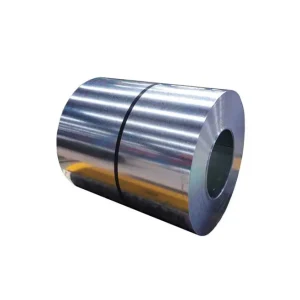 แผ่นเหล็กชุบสังกะสี (GI Coil)แผ่นเหล็กชุบสังกะสี (GI Coil)
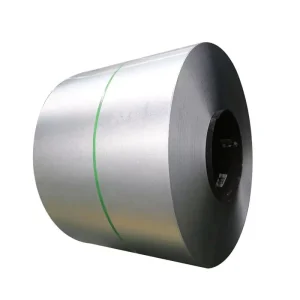 แผ่นเหล็กกัลวาลูม (GL Coil)แผ่นเหล็กกัลวาลูม (GL Coil)
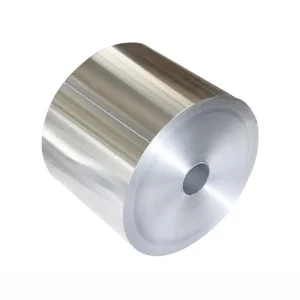 แผ่นเหล็กสังกะสี-อุลมิเนียม-แมกนีเซียม (รวบรัด: ZM Coil)แผ่นเหล็กสังกะสี-อุลมิเนียม-แมกนีเซียม (รวบรัด: ZM Coil)
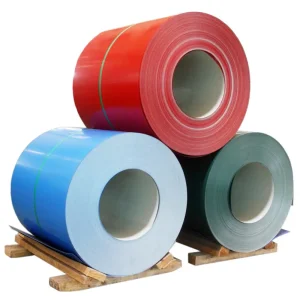 แผ่นเหล็กสังกะสีผ่านการทาสี (PPGI Coil)แผ่นเหล็กสังกะสีผ่านการทาสี (PPGI Coil)
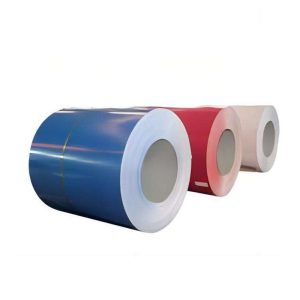 แผ่นเหล็กกัลวาลูมผ่านการทาสี (PPGL Coil)แผ่นเหล็กกัลวาลูมผ่านการทาสี (PPGL Coil)
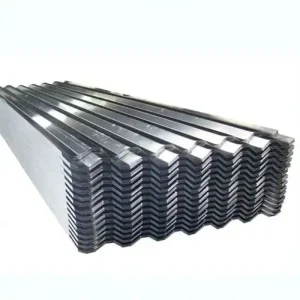 แผ่นหลังคา GI/GLวัสดุฐาน เลือกวัสดุเหล็กคุณภาพสูง รุ่น SPCC/SPHC; GI ผ่ […]
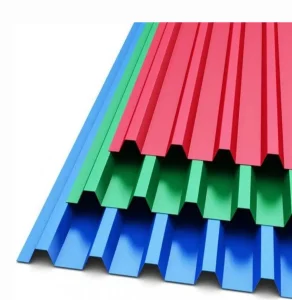 แผ่นหลังคา PPGI / PPGLวัสดุฐาน เลือกวัสดุเหล็กคุณภาพสูง รุ่น SPCC/SPHC; GI ผ่ […]