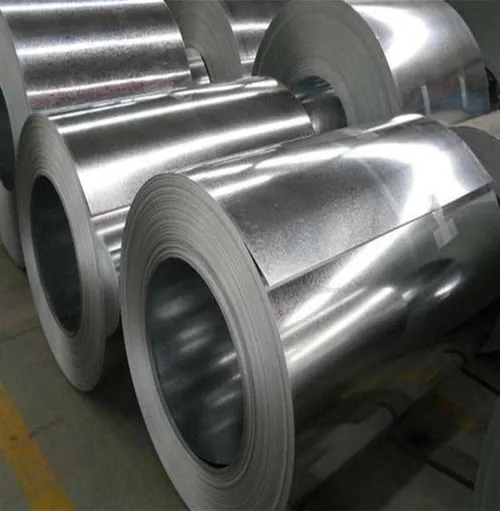
Color Coated Galvalume Steel Coil (PPGL): A Durable & Versatile Building Solution
In the construction and industrial fields, finding a material that balances durability, corrosion resistance, and aesthetic appeal is crucial. Color coated galvalume steel coil, commonly known as PPGL, has become a top choice for engineers, builders, and manufacturers worldwide. As a high-performance composite material, it combines the strength of steel with the protective properties of an aluminum-zinc alloy and the decorative effect of organic coatings, solving many pain points of traditional building materials.
What is Color Coated Galvalume Steel Coil (PPGL)?
Color coated galvalume steel coil (PPGL) is a processed steel product based on galvalume steel coil—its substrate is a cold-rolled steel sheet coated with a 55% aluminum and 45% zinc alloy through a continuous hot-dip process. On the surface of this galvalume substrate, organic coatings (such as PE, SMP, HDP, PVDF) are applied through continuous roller coating and high-temperature baking, forming a smooth, uniform, and colorful protective layer. Unlike traditional galvanized steel coils, PPGL’s aluminum-zinc substrate and organic coating work together to provide double protection, making it more durable and weather-resistant.
Key Advantages of Color Coated Galvalume Steel Coil
PPGL’s popularity stems from its outstanding advantages, which make it stand out among similar products:
-
Excellent Corrosion Resistance: The 55% aluminum-zinc alloy coating forms a dense protective film that resists rust, moisture, and chemical corrosion far better than traditional galvanized steel coils. It can even maintain good performance in harsh environments such as marine areas and industrial zones with acid rain.
-
Superior Weather Resistance: The organic coating on the surface has strong UV resistance and color retention, able to withstand extreme temperatures, heavy rainfall, and strong sunlight without fading, peeling, or cracking. Its service life can reach 15-30 years depending on the coating type.
-
Good Processability: PPGL is easy to cut, bend, punch, and form, without damaging the surface coating during processing. It can be customized into various shapes and sizes to meet different construction and production needs.
-
Aesthetic Versatility: It is available in a wide range of colors and finishes (matte, glossy, embossed) according to the RAL color card, and can even be customized with patterns such as wood grain or stone texture, enhancing the visual appeal of buildings and products.
-
Cost-Effective: Although PPGL has a slightly higher initial cost than ordinary steel coils, its long service life, low maintenance cost, and energy-saving performance (good heat reflectivity reduces building energy consumption in summer) make it a cost-effective choice in the long run.
Main Applications of PPGL Steel Coil
Due to its comprehensive performance, PPGL is widely used in various fields:
-
Construction Industry: The most common application is building roofing, walls, and ceilings—both residential and commercial buildings (shopping malls, factories, warehouses) can use PPGL for its durability and decoration. It is also used for sandwich panels, decorative boards, and fence panels.
-
Home Appliance Industry: It is used as the shell material for refrigerators, washing machines, air conditioners, and water heaters, thanks to its corrosion resistance and beautiful appearance.
-
Industrial and Agricultural Fields: Used for manufacturing industrial equipment casings, agricultural greenhouses, and livestock sheds, as it can resist harsh outdoor environments and extend the service life of facilities.
How to Choose High-Quality Color Coated Galvalume Steel Coil?
To ensure you get high-performance PPGL, pay attention to the following points when purchasing:
-
Check the Substrate Quality: Confirm the thickness of the galvalume coating (usually 40-150 g/m²) and the grade of the base steel to ensure it meets international standards (AISI, ASTM, GB, JIS).
-
Pay Attention to Coating Performance: Choose the appropriate coating type according to your application scenario—PE for general environments, SMP for medium-weather conditions, HDP for high UV resistance needs, and PVDF for harsh industrial or marine environments.
-
Inspect the Surface Quality: The surface should be smooth and uniform, without scratches, bubbles, or color differences. The coating adhesion should be strong to avoid peeling


 แผ่นเหล็กชุบสังกะสี (GI Coil)แผ่นเหล็กชุบสังกะสี (GI Coil)
 แผ่นเหล็กกัลวาลูม (GL Coil)แผ่นเหล็กกัลวาลูม (GL Coil)
 แผ่นเหล็กสังกะสี-อุลมิเนียม-แมกนีเซียม (รวบรัด: ZM Coil)แผ่นเหล็กสังกะสี-อุลมิเนียม-แมกนีเซียม (รวบรัด: ZM Coil)
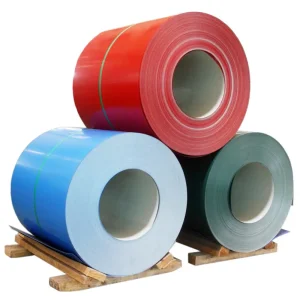 แผ่นเหล็กสังกะสีผ่านการทาสี (PPGI Coil)แผ่นเหล็กสังกะสีผ่านการทาสี (PPGI Coil)
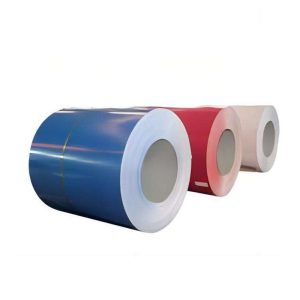 แผ่นเหล็กกัลวาลูมผ่านการทาสี (PPGL Coil)แผ่นเหล็กกัลวาลูมผ่านการทาสี (PPGL Coil)
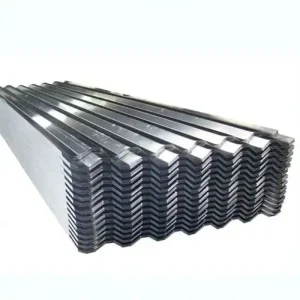 แผ่นหลังคา GI/GLวัสดุฐาน เลือกวัสดุเหล็กคุณภาพสูง รุ่น SPCC/SPHC; GI ผ่ […]
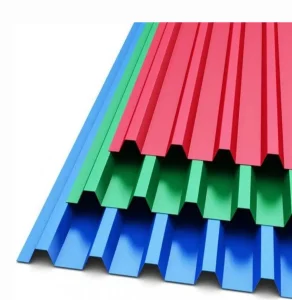 แผ่นหลังคา PPGI / PPGLวัสดุฐาน เลือกวัสดุเหล็กคุณภาพสูง รุ่น SPCC/SPHC; GI ผ่ […]