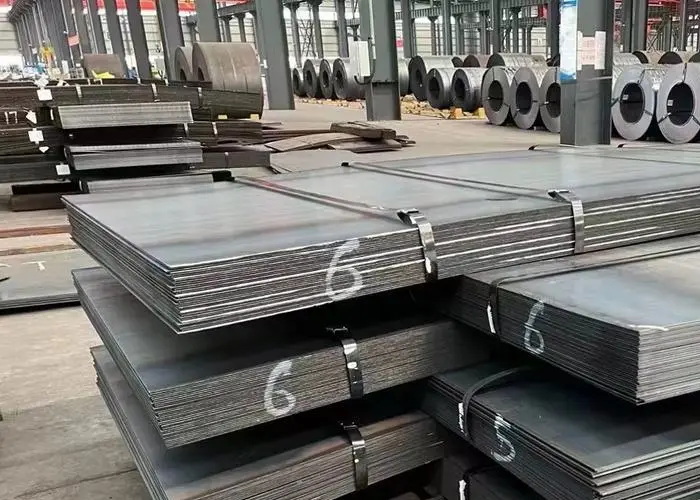
ในบริบทของการยกระดับอุตสาหกรรมระดับโลกและการพัฒนาเชิงสีเขียว เหล็กชุบซิงค์ได้กลายเป็นวัสดุหลักที่ขาดไม่ได้ในหลายสาขา ซึ่งได้รับความนิยมด้วยความต้านทานการกัดกร่อนที่ยอดเยี่ยม ความคุ้มค่าต่อต้นทุน และความสามารถปรับตัวได้กว้างขวาง ในฐานะผลิตภัณฑ์เหล็กที่ผ่านการประมวลผลหลักชนิดหนึ่ง มันถูกผลิตขึ้นด้วยการเคลือบชั้นซิงค์ลงบนพื้นผิวของเหล็กคาร์บอนหรือเหล็กอัลลอยต่ำ สร้างเป็นเกราะป้องกันที่ยืดอายุการใช้งานของเหล็กและลดต้นทุนการบำรุงรักษา ทำให้กลายเป็นตัวเลือกแรกสำหรับอุตสาหกรรมก่อสร้าง ยานยนต์ พลังงานใหม่ และอุตสาหกรรมอื่นๆ อีกมากมาย
โดยทั่วไปเหล็กชุบซิงค์มี 2 ประเภทหลัก ได้แก่ เหล็กชุบซิงค์แบบจุ่มร้อน และเหล็กชุบซิงค์แบบไฟฟ้า แต่ละประเภทมีลักษณะเฉพาะตัวที่ไม่เหมือนกัน เพื่อตอบสนองความต้องการการประยุกต์ใช้งานที่แตกต่างกัน เหล็กชุบซิงค์แบบจุ่มร้อน ผลิตโดยการจุ่มแผ่นเหล็กลงในซิงค์หลอมเหลว มีลักษณะเด่นคือชั้นเคลือบที่หนาและสม่ำเสมอ ยึดติดแน่นหนากับวัสดุฐาน ให้ความต้านทานการกัดกร่อนที่เหนือชั้น ซึ่งสามารถคงอยู่ได้ 20 ถึง 50 ปี ขึ้นอยู่กับสภาพแวดล้อม มีการใช้งานอย่างแพร่หลายในสถานการณ์กลางแจ้งและสภาพแวดล้อมที่รุนแรง เช่น โครงสร้างอาคาร และรั้วรักษาความปลอดภัยทางหลวง ส่วนเหล็กชุบซิงค์แบบไฟฟ้า ผลิตด้วยวิธีการตกตะกอนด้วยไฟฟ้า มีชั้นเคลือบบางกว่าและผิวเสร็จที่ดีกว่า เหมาะสำหรับการประยุกต์ใช้งานในร่ม เช่น เปลือกเครื่องใช้ในบ้าน และชิ้นส่วนความแม่นยำ
ขอบเขตการประยุกต์ใช้งานของเหล็กชุบซิงค์ยังคงขยายต่อเนื่องไปด้วยการพัฒนาของอุตสาหกรรมที่เกี่ยวข้อง ในอุตสาหกรรมก่อสร้าง มันครอบคลุมความต้องการมากกว่า 50% ใช้ในแผ่นหลังคา โครงผนัง และโครงสร้างรองรับ เนื่องจากน้ำหนักเบาและความต้านทานการกัดกร่อนของมัน ซึ่งช่วยลดต้นทุนการบำรุงรักษาอาคารได้ อุตสาหกรรมยานยนต์เป็นตลาดความต้องการที่เติบโตอย่างรวดเร็ว โดยเหล็กชุบซิงค์ถูกใช้ในตัวถังยานยนต์และชิ้นส่วนต่างๆ และคาดว่าความต้องการเหล็กชุบซิงค์ความแข็งแรงสูงในยานยนต์พลังงานใหม่จะเพิ่มขึ้นอย่างมากในช่วงปีข้างหน้า นอกจากนี้ มันยังได้รับการประยุกต์ใช้งานอย่างแพร่หลายในขาโครงรองรับแผงโฟโตโวลเตอิก ตู้เก็บพัสดุด่วน และอุปกรณ์ทางการเกษตร แสดงให้เห็นถึงความสามารถในการใช้งานที่หลากหลายอย่างแข็งแกร่ง
ขับเคลื่อนโดยแนวโน้มเชิงสีเขียวและความอัจฉริยะ อุตสาหกรรมเหล็กชุบซิงค์กำลังผ่านการเปลี่ยนแปลงเชิงบวก บริษัทต่างๆ กำลังส่งเสริมเทคโนโลยีที่เป็นมิตรกับสิ่งแวดล้อม เช่น การพาสซีเวชั่นแบบไม่มีโครเมียม และการรีไซเคิลกรดเสีย เพื่อลดผลกระทบต่อสิ่งแวดล้อม ในเวลาเดียวกัน สายการผลิตอัจฉริยะช่วยปรับปรุงความสม่ำเสมอของชั้นเคลือบและประสิทธิภาพการผลิต ในขณะที่ผลิตภัณฑ์เหล็กชุบซิงค์ความแข็งแรงสูงและมีฟังก์ชันพิเศษกำลังถูกพัฒนาขึ้น เพื่อตอบสนองความต้องการในการยกระดับของอุตสาหกรรมในสายอุปทานต่อไป ด้วยประสิทธิภาพที่ยอดเยี่ยมและศักยภาพการพัฒนาเชิงยั่งยองของมัน เหล็กชุบซิงค์จะยังคงมีบทบาทสำคัญในห่วงโซ่อุตสาหกรรมระดับโลกต่อไป
การเลือกใช้เหล็กชุบซิงค์ที่มีคุณภาพสูงสามารถลดต้นทุนการใช้งานในระยะยาวได้อย่างมีประสิทธิภาพ และปรับปรุงความน่าเชื่อถือของผลิตภัณฑ์ ไม่ว่าจะสำหรับโครงการก่อสร้างขนาดใหญ่ หรือการผลิตอุตสาหกรรมประจำวัน มันเป็นวัสดุที่คุ้มค่าต่อต้นทุนและทนทาน ซึ่งสนับสนุนการพัฒนาที่มีคุณภาพสูงของอุตสาหกรรมต่างๆ


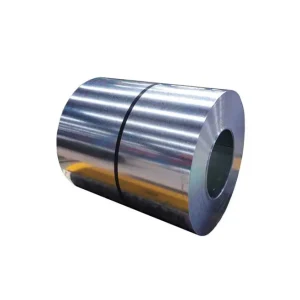 แผ่นเหล็กชุบสังกะสี (GI Coil)แผ่นเหล็กชุบสังกะสี (GI Coil)
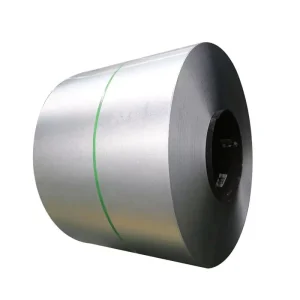 แผ่นเหล็กกัลวาลูม (GL Coil)แผ่นเหล็กกัลวาลูม (GL Coil)
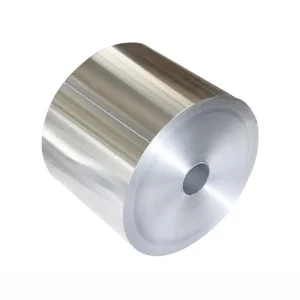 แผ่นเหล็กสังกะสี-อุลมิเนียม-แมกนีเซียม (รวบรัด: ZM Coil)แผ่นเหล็กสังกะสี-อุลมิเนียม-แมกนีเซียม (รวบรัด: ZM Coil)
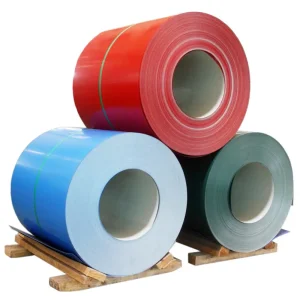 แผ่นเหล็กเคลือบสังกะสี(PPGI Coil)แผ่นเหล็กสังกะสีผ่านการทาสี (PPGI Coil)
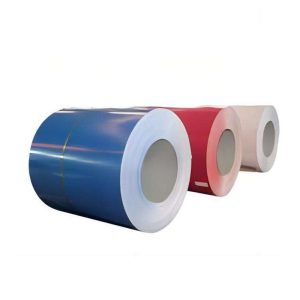 แผ่นเหล็กกัลวาลูมเคลือบสังกะสี(PPGL Coil)แผ่นเหล็กกัลวาลูมผ่านการทาสี (PPGL Coil)
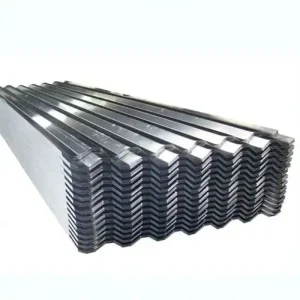 แผ่นหลังคา GI/GLเลือกวัสดุเหล็กคุณภาพสูง รุ่น SPCC/SPHC; GI ผ่านกระบวนการสังกะสีแบบแช่ละลาย อุณหภูมิสูง, GL ผ่านกระบวนการกัลวาลูม (โลหะสมขสม 55% อุลมิเนียม-43.5% ซิงค์-1.5% ซิลิคอน); วัสดุสม่ำเสมอ, ความยืดหยุ่นดี และความสามารถรับน้ำหนักสูง, เหมาะกับความต้องการการใช้งานกลางแจ้งของหลังคาในระยะยาว.
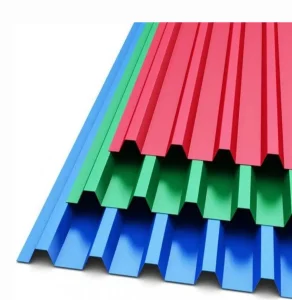 แผ่นหลังคา PPGI / PPGLเลือกวัสดุเหล็กคุณภาพสูง รุ่น SPCC/SPHC; GI ผ่านกระบวนการสังกะสีแบบแช่ละลาย อุณหภูมิสูง, GL ผ่านกระบวนการกัลวาลูม (โลหะสมขสม 55% อุลมิเนียม-43.5% ซิงค์-1.5% ซิลิคอน); วัสดุสม่ำเสมอ, ความยืดหยุ่นดี และความสามารถรับน้ำหนักสูง, เหมาะกับความต้องการการใช้งานกลางแจ้งของหลังคาในระยะยาว.